
Last updated: March 2026
This Hvar island guide introduces the landscapes, villages, traditions, and history that shape the island — helping you explore Hvar with context, not just move from one attraction to another.
Hvar Island Guide: Quick Overview
- Best time to visit: May–October
- Best for: beaches, wine, nature, tradition, local life
- Stay: Jelsa, Stari Grad, Zavala, Hvar Town
- Ideal stay: 3–10 days
Hvar Island is often associated with beaches and nightlife, but its character becomes clearer once you understand how the island is structured.
The Hvar island guide is designed to help you understand how the island works before you start exploring it. If you prefer to explore with some structure, I also share parts of the island through locally guided experiences on Hvar.
Where is Hvar Island
Hvar Island is located in central Dalmatia, in the Adriatic Sea, just off the Croatian coast. It sits between the island of Brač to the north and Korčula to the south, with Vis to the west. Often called “sunny Hvar,” it’s easy to reach by catamaran or ferry from nearby Split.
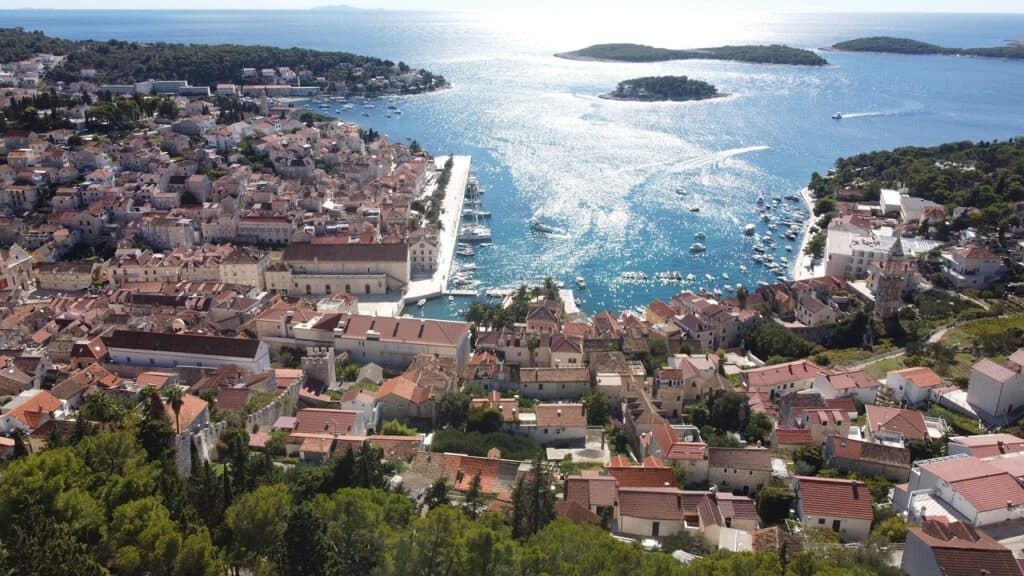
How to Get to Hvar
Swimming is a nice way to get to Hvar. Like Veljko Rogošić did, back in 1974. He was a Croatian long-distance swimmer. He swam from Hvar to Split. I get goose bumps when I think of it. That’s around 40 kilometers and it t took him 10 hours. His achievements and persistence are a personal inspiration for me.
If that’s too much for you, there are a few other ways to get to Hvar. I’ll organize them according to the port of call:
- Hvar port – catamaran boats (only passengers) and private speed boats
- Stari Grad port – ferries (passengers and vehicles) and catamaran boats
- Jelsa port – catamaran boat
- Sućuraj port – ferries
The longest ride is with a ferry from Split to Stari Grad. It lasts around 2.5 hours. So grab a beer, have some shut-eye, enjoy the skies and sea, and generally take it easy. In the end, you’re in Dalmatia, and we tend to do things without fuss.
The fastest is the ferry from Drvenik to Sućuraj. It takes around half an hour. Afterwards, you have a long way to drive from one side of the island to the other. But the drive’s magnificent. After all, Hvar is the longest island in Croatia. That’s an adventurous road and not a connection from A to B. So again, lean back and enjoy the sights.
The most economical would be a catamaran to either Hvar or Jelsa. Around an hour, an hour and a half, depending on which port you’re going to, and you’re there.
Ferry and catamaran timetables are regularly updated on Putovnica.
To understand where to go, this Hvar island guide first breaks down the island into its key areas.
Best Places to Visit on Hvar Island
In this Hvar island guide, one of the most important things to understand is how different each part of the island feels. Hvar Island is not just one place. It’s a mix of towns, villages, and landscapes that feel completely different from one another.
Some areas are lively and social, others quiet and rooted in everyday life. The experience of the island changes depending on where you spend your time.
Below are some places on the island, each offering a different side of Hvar. And it’s up to you to choose what fits you best.
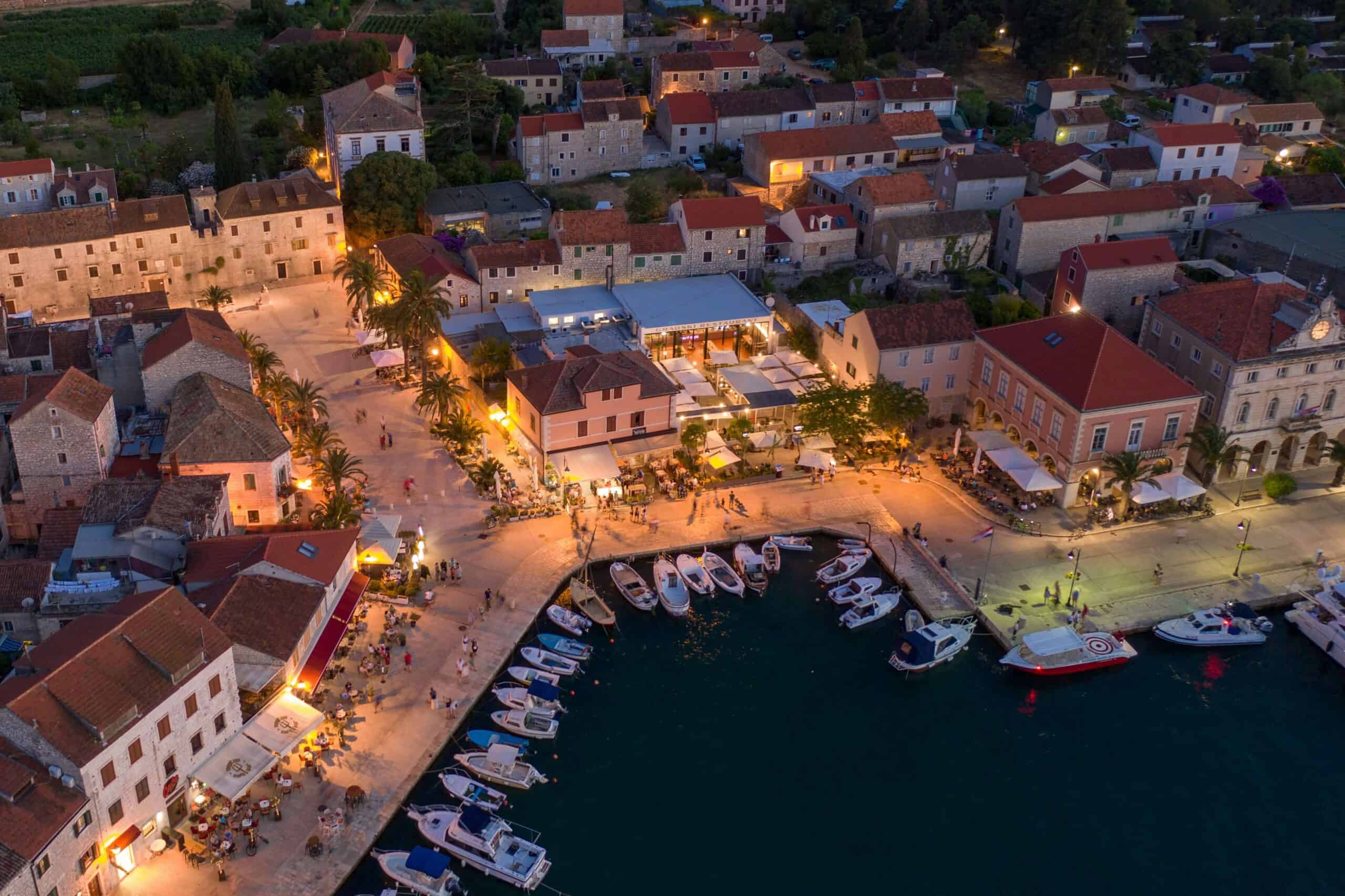
Hvar Town
The island’s most vibrant settlement is known for its historic square, medieval fortress, and lively summer atmosphere.
Stari Grad
One of the oldest towns in Croatia, offering a calmer atmosphere and access to the ancient agricultural plain.
Vrboska
A small harbor village sometimes called “Little Venice” due to its bridges and canals.
Jelsa
A relaxed coastal town known for its wineries, nearby beaches, and strong connection to local production and everyday island life.
Rural Villages
Places such as Pitve, Vrisnik, and Velo Grablje reveal the island’s agricultural traditions and quieter landscapes.
Southern Slopes
The steep southern coast features vineyards, dramatic cliffs, caves, and panoramic views of the Adriatic. While the life of small Dalmatian communities is still well preserved in Zavala, Ivan Dolac, or Sv. Nedilja. Which is rather charming.
Eastern Hvar
The eastern side of the island remains the least visited and offers large stretches of untouched nature and quiet coastal scenery. In that direction, charming rustic villages like Humac, or beaches like Stiniva, or Pokrivenik, will enchant you with their beauty, and even nearby stunning caves.
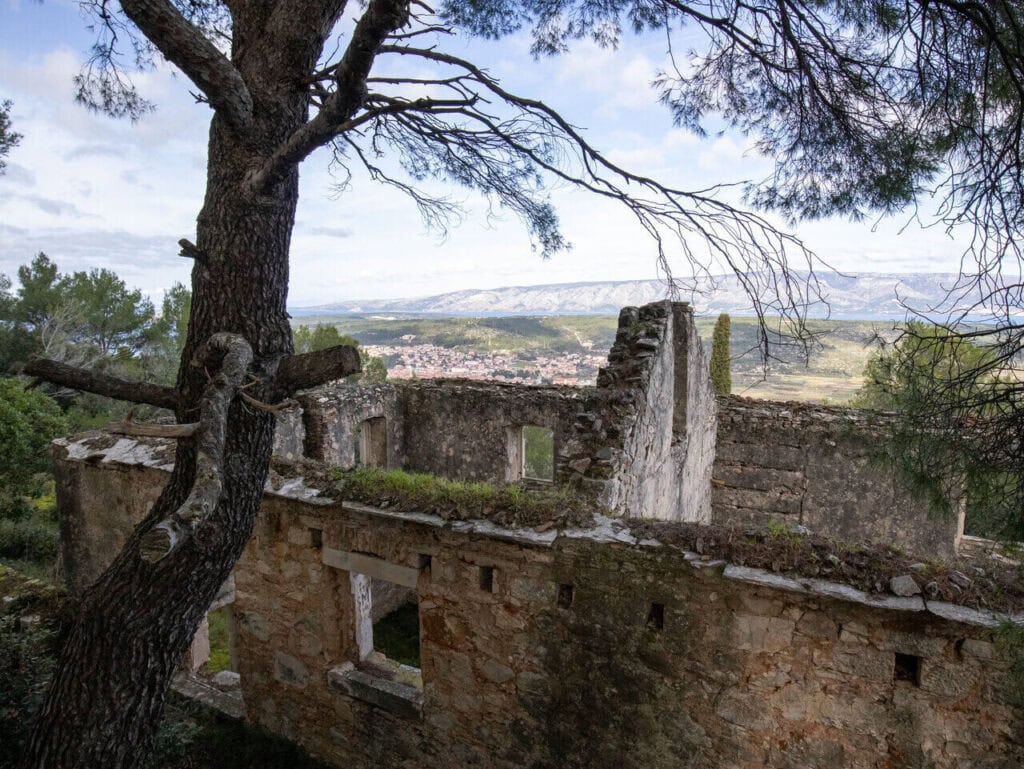
Where to Stay on Hvar Island
Where you stay on Hvar shapes your whole experience of the island.
It’s not just about distance or convenience. Different parts of the island feel completely different. Some are lively and social, others quiet and more connected to everyday life. The island isn’t large, but changing your base can change the rhythm of your stay.
So it’s less about finding the “best” place, and more about finding the one that fits you.
Hvar Town
Hvar Town is the most well-known place on the island.
It’s where you’ll find the main square, historic streets, bars, restaurants, and nightlife. In the summer, it’s lively from morning until late at night.
If you want energy, social life, and easy access to boat trips and excursions, this is the place. But it can also get crowded, especially in July and August.
Stari Grad
Stari Grad is much calmer.
It’s one of the oldest towns in Croatia, and you feel that in the way it’s laid out. Narrow streets, stone houses, and a slower pace overall.
It’s also well positioned if you want to explore the island, especially the Stari Grad Plain and nearby villages. Good choice if you want something balanced, without too much noise.
Jelsa
Jelsa sits somewhere in between.
It has enough going on — restaurants, bars, local life — but still feels relaxed. The pace is slower, and it’s easy to settle into it after a day or two.
It’s also a good base if you’re interested in wineries, nearby villages like Pitve and Vrisnik, or just moving around the island without staying in the busiest area. If you decide to stay in Jelsa, I also rent out a small traditional stone house here — you can take a look at it on Airbnb.
Vrboska
Vrboska is small and quiet.
Often called “Little Venice” because of its bridges, it has a very compact, peaceful feel. Everything is close, and the atmosphere is slower than in most places on the island.
It works well if you want something simple and calm, with the option to move around easily.
Zavala and the Southern Side
The southern side of the island is a different story.
Places like Zavala, Ivan Dolac, or Sveta Nedjelja are more isolated, facing the open sea. The landscape is rougher, with steep slopes, vineyards, and strong sun.
It’s quieter, more remote, and better suited if you want to disconnect a bit and stay close to nature.

A Simple Way to Choose
If you’re not sure, it usually comes down to this:
- Hvar Town → if you want energy and nightlife
- Stari Grad → if you want calm and history
- Jelsa → if you want balance and a local feel
- Vrboska → if you want something small and quiet
- Southern side → if you want isolation and nature
There’s no wrong choice here. The island is small enough that you can move around easily.
The only real difference is how you want your days to feel.
If you’re unsure where to stay, Jelsa is often the easiest place to start — balanced, central, and less overwhelming than Hvar Town.
Best Things to Do on Hvar Island
This Hvar island guide is designed to give you clarity before you start planning your time here.
There isn’t just one way to experience Hvar — and that’s exactly the point.
Some come for the sea, others for the villages, food, or to slow down. Most people, without planning it too much, end up doing a bit of everything.
Swimming and Coastal Life
The coastline is the most obvious starting point. Small bays, rocky beaches, and clear water are everywhere, especially around the Pakleni Islands and the southern side of the island.
Hvar is much more than Hvar Town, so some of the best swimming spots are scattered across the island — from Zaraće on the southwest to Stiniva on the east, or from Mina in Jelsa to Soline in Vrboska. The number of great swimming spots is practically endless. The best approach is simple: explore. Take a road, stop when something catches your eye, and go for a swim.
Around Jelsa and Vrboska, you’ll find sandy bays, ideal for families and relaxed swimming. The southern side offers smaller, more dramatic coves, often with cliffs and even underwater caves. Stari Grad sits in a deep bay with a variety of smaller beaches, many of which can be explored by kayak.
From Jelsa to Sućuraj, both sides of the island hide quiet bays with rich marine life, making them great for snorkeling or spearfishing. Water sports are available in places like Soline and Stari Grad, while Hvar Town and the Pakleni Islands are known for their rocky beaches and clear, open water.
I spent years training triathlon, with swimming as my main discipline, and I still find some of the best spots in places most people simply pass by.
If you want a more structured overview, a guide to the best beaches on Hvar breaks down where to go depending on the conditions and what kind of experience you’re looking for.
Exploring Villages
Moving away from the coast changes the experience completely. Villages like Pitve, Vrisnik, or Velo Grablje offer a quieter look at the island, where daily life still follows older rhythms. It’s something you can discover on your own, or through a guided village and cultural tour of Hvar. In the rural places, Dalmatian architecture is preserved, carrying the patina of time, while locals often keep traditional production alive.
Stone houses, narrow paths, and small fields tell a story that hasn’t changed much over time. The further you go from the main roads, the more authentic it feels.
Food, Wine, and Local Tradition
That’s my dad in the vineyard — part of the same tradition that still shapes everyday life on Hvar.
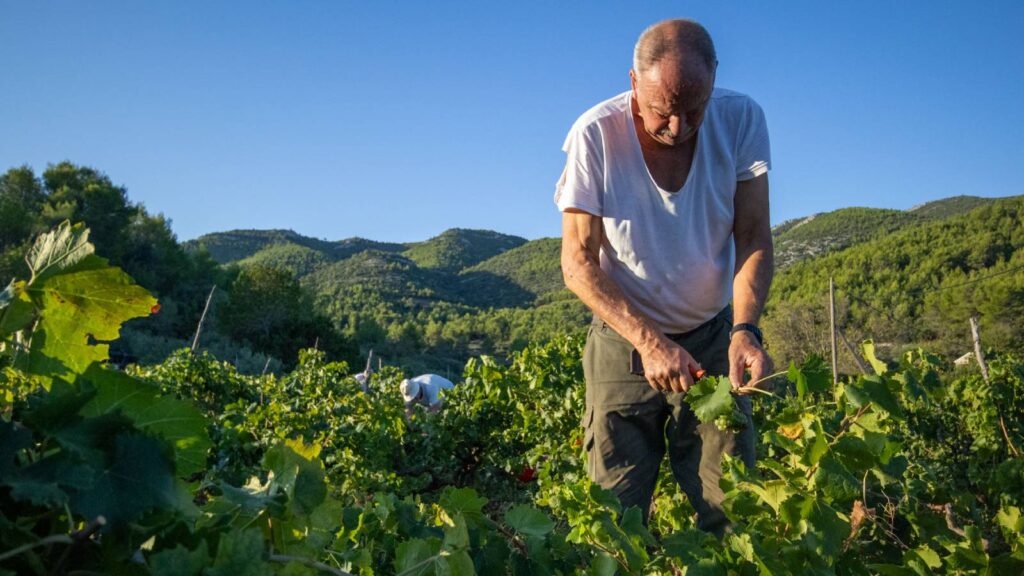
Wine has been part of Hvar for centuries, and it defines life across the island today.
Dalmatian wine was, until recently, largely unknown to the world. But now it’s slowly finding its way in and leaving people genuinely impressed.
Plavac Mali, Drnekuša, Pošip, Bogdanjuša, Prč — these are just some of the local varieties you can find on Hvar island. Each area offers something different, and every cellar has its own character and taste.
Visiting local wineries or small family producers is one of the best ways to understand the island beyond the surface. If you want to experience it in a more connected way, you can explore it through a local wine experience on Hvar.
Food follows the same rhythm. Olive oil, fresh herbs, vegetables, and seafood form the foundation of traditional Dalmatian cuisine — simple, seasonal, and closely tied to the land.
Walking and Hiking
Walking is one of the best ways to understand Hvar. The island is crossed with old field paths that once connected vineyards, villages, and everyday life.
Today, these same trails reveal hidden viewpoints, quiet valleys, and parts of the island that remain untouched by tourism. If you want to explore them properly, this hiking guide across Hvar gives you a clear overview of the routes, difficulty, and what to expect.
You can explore on your own, but if you want deeper context — stories, local insights, and access to places you’d likely miss — a guided hiking experience on Hvar connects these paths into a more complete experience.
These paths are not just trails — they’re the same routes people used for generations.
Boat Trips and Nearby Islands
From Hvar, it’s easy to reach nearby islands and hidden coves. Short trips to the Pakleni Islands or longer ones toward Vis and the Blue Cave are common. These trips can be done independently, but a private island tour from Hvar often makes it easier to connect multiple places in a single day.
If you’re looking for a more private and refined experience, there are also smaller sailing options available, like this high-end sailing trip to Vis, which offers a slower and more personal way to explore the islands.
In the end, what you do on Hvar matters less than how you experience it. The island rewards curiosity more than planning.

Hvar Island Guide: Landscapes & Nature
The landscapes of Hvar change constantly as you move across the island. Coastal paths near Hvar Town gradually lead into rural hills, vineyards, and quiet valleys where traditional agriculture still shapes the terrain.
Many of the most interesting places are connected by centuries-old field paths and shepherd routes. If you want to explore the island on foot, these walking routes across Hvar reveal parts of the island that remain hidden from the main roads.
During early summer, many of these routes pass through the island’s famous purple landscapes, and this lavender fields of Hvar guide explains when and where to see them at their best.
Lavender is a great part of Hvar’s history. Most of the 20th century, as well as my growing up, was marked by lavender fields and the production of lavender essential oil. That’s one of the reasons why I appreciate that purple gold of Hvar so much.
Along the same trails, you’ll also notice wild herbs growing naturally across the island — rosemary, sage, immortelle, and many others that have shaped local life. You can explore more about this in the guide to wild plants of Hvar. They shaped the island’s traditional cuisine and medicine. Winter and spring are marked by wild asparagus, then capers come in spring, in summer, Rock Samphire (Crithmum maritimum), and autumn Strawberry trees (Arbutus undeo). Every season has its visitors. That’s why Hvar is home to many wild plants and herbs.
Villages & Everyday Life
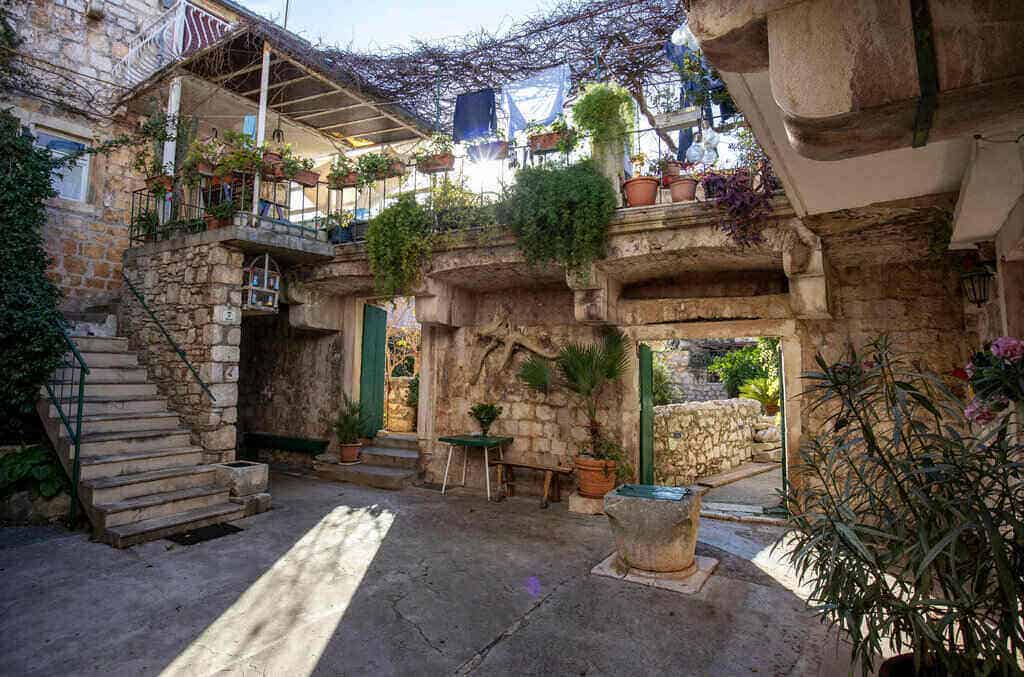
Away from the port towns, Hvar quickly becomes quiet.
Small villages such as Velo Grablje, Pitve, and Vrisnik still follow rhythms that existed long before tourism arrived. Agriculture, seasonal harvests, and family traditions continue to shape everyday life.
Stone houses, terraces, and dry-stone walls were originally built for survival rather than scenery. Walking through these villages offers a deeper understanding of the island’s past and present.
Many visitors discover these places naturally while following hiking routes or exploring the rural roads that cross the island.
A Brief History of Hvar Island
Hvar’s history stretches back thousands of years and reflects the island’s strategic location in the Adriatic Sea.
The ancient Greek colony Pharos, founded in the 4th century BC in what is now Stari Grad, became one of the earliest organized settlements in the region. The surrounding agricultural plain — still cultivated today — is now protected as a UNESCO World Heritage Site.
During the medieval period, Hvar developed as an important Venetian naval base. Fortifications, monasteries, and stone houses built during this era still shape the appearance of Hvar Town and other historic settlements.
Later, under Austro-Hungarian rule, the island began attracting early travelers and aristocratic visitors, establishing Hvar as one of the first organized tourism destinations in the Adriatic.
Hvar is not just a summer destination — it’s a place shaped by thousands of years of continuous life.
Remnants of this layered history can be found across the island — from town squares and monasteries to remote valleys and hidden religious sites.
If you want to explore the island’s earliest human presence, this guide to prehistoric sites on Hvar takes you through Neolithic settlements and the first traces of life here, dating back between 2500 and 4000 BC.
Understanding this layered history changes how you experience the island — places are no longer just beautiful, but meaningful.

Experiences on Hvar Island
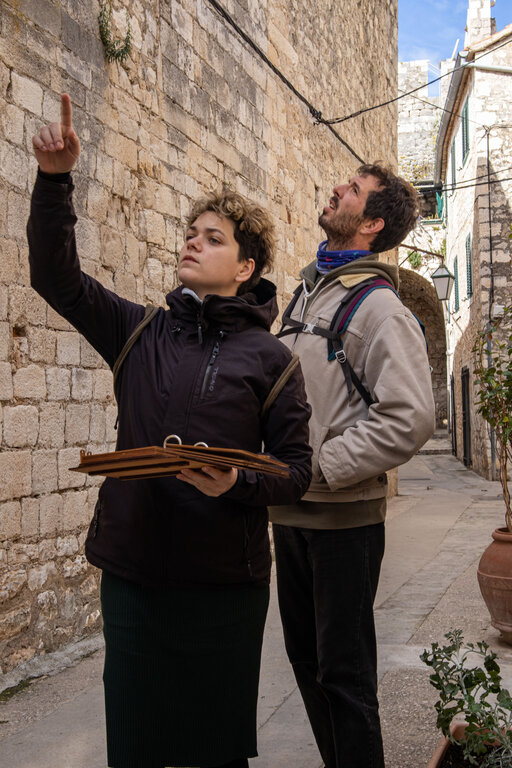
Visitors explore Hvar in different ways.
Some prefer wandering through villages and landscapes independently, while others enjoy discovering the island through guided experiences that explain its history and traditions.
One unusual way to explore the town itself is through Tale of Hvar, a story-based treasure hunt that guides you through Hvar’s streets while gradually revealing its past.
Instead of following a guide, visitors follow clues and gradually uncover parts of the town’s story while moving between locations.
Day Trips From Hvar
Hvar is also a convenient base for exploring nearby islands and coastal landscapes.
Popular excursions include:
- Blue Cave boat tours
- Pakleni Islands
- Red Cliffs and the southern coast
For something less known, you can combine your stay on Hvar with a visit to the remote Blaca Hermitage on Brač, a unique historical site hidden deep inside the island’s interior.
Some visitors explore independently, others prefer to understand what they see along the way.
How to Spend 3 Days on Hvar
It all depends on the time of year you’re visiting.
If you’re here in July or August, slow down during the day. Enjoy the evenings, and focus on activities in the early morning and late afternoon, when the island breathes a bit more.
On the other hand, May, June, September, and October are a different story — perfect for being active throughout the day. From sightseeing and excursions to more hands-on experiences, such as olive picking experiences on Hvar, where you can take part in the island’s traditional harvest.
First things first — always carry a swimsuit. The sea surrounds you. Go for a swim whenever you can, just because you can.
Start your day simply. Grab a coffee to go and head for a swim as early as possible. It will cool you down, and you’ll feel the difference for the rest of the day.
After that, take time to explore the town. Visit the local market, walk through the streets, check the fish market, and talk to people. Just get a feel for the place. You can do this on your own or through a guided walking tour of Hvar, which gives a bit more context to what you’re seeing.
Then ease into the afternoon — lunch, beach time, and maybe a visit to one of the wineries or a local wine experience on Hvar.
The second day is ideal for something more complete. That could be an early hike, kayaking around the Pakleni Islands, or a full-day experience such as a private island tour or a speedboat trip to Vis.
It all depends on what you’re drawn to.
On your last day, slow things down again. Combine some beach time with good food, wine, maybe a cocktail, a treasure hunt experience in Hvar, or even a local cooking experience on Hvar. Something pleasant and memorable.
Hvar Island Guide: Final Thoughts
If you prefer not to think too much about logistics, it’s often easier to connect these experiences into something that flows naturally from one part of the island to another.
Some of these things can be explored independently, but they often make more sense when they’re part of a well-planned route across the island.
Hvar is a relatively small island, but it reveals itself gradually. Most visitors start with the well-known towns and beaches, then slowly discover the villages, landscapes, and traditions that shape everyday life here.
If you want to experience the island in a more connected and personal way, I organize a few carefully designed experiences that bring these places together — from local wine and food to hidden villages and everyday life on the island.
This Hvar island guide is just a starting point. From here, follow what draws you in — and let the island unfold naturally.


