Step Beyond the Postcard Version of Hvar
If you’re looking for the best wine tours in Hvar, this guide will show you how to experience them properly — beyond the typical tourist stops.
Wine in Hvar isn’t something you just taste — it’s something you step into. Behind the beaches and nightlife, the island lives a completely different life. One built on stone terraces, hard land, and generations of people who shaped it by hand.
This guide isn’t a generic list of wineries. If you’re looking for a real experience, explore my wine tasting tour in Hvar with a local guide.
It’s how wine actually works here — and how to experience it properly.
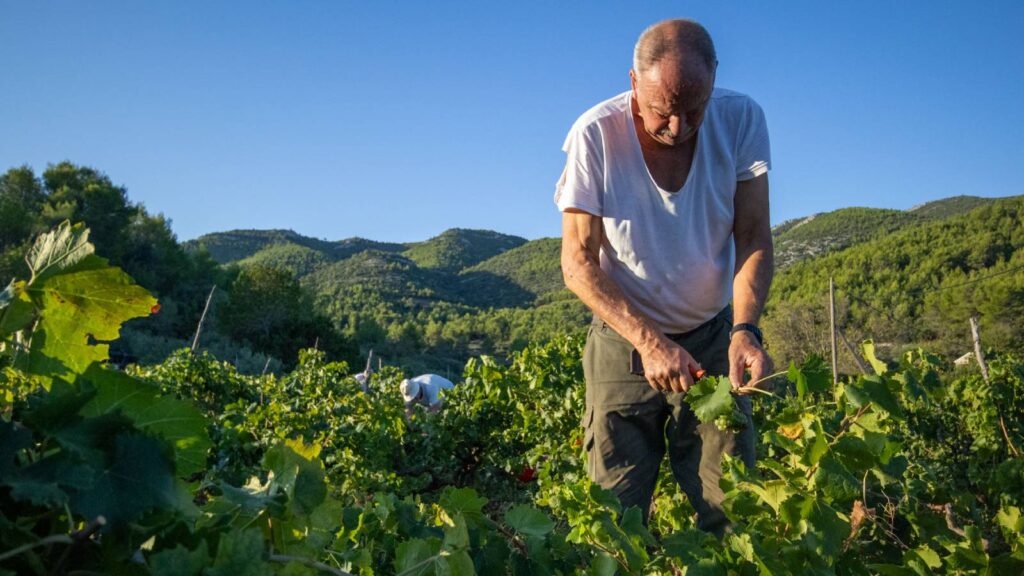
🍇 Hvar Wine and the Origins of Wine
Wine production on Hvar goes back over 2,400 years.
The Greeks planted the first organized vineyards in what is now the Stari Grad Plain, a UNESCO-protected landscape where the original agricultural layout still exists today.
Before them, Illyrians likely grew vines. After them, the Romans expanded production across the island.
Wine here was never a luxury.
It was:
- survival
- trade
- family economy
- everyday life
In the 19th century, Hvar experienced a massive wine boom, exporting to France and Central Europe. Many of the stone houses you see today were built thanks to wine.
Then came phylloxera — and everything collapsed.
What survived is what you experience today:
small, resilient, family-driven wine production.
🏡 Traditional “Konoba” — The Original Wine Cellar
In Dalmatia, wine was traditionally stored in a konoba.
Today, the word often means a restaurant — but originally, it referred to a stone wine cellar built beneath the house.
Because of the island’s rocky terrain, deep underground tunnels (like in France) weren’t possible. So people adapted.
Traditional konobas were:
- built into rock
- located under homes
- facing north (to avoid sun)
- with minimal airflow
- surrounded by thick stone walls
All of this created a natural temperature control system — long before modern technology.
🍷 Hvar Wineries Today
Today’s wineries combine that tradition with modern techniques.
Some, like Tomić Winery, still use underground cellars inspired by ancient Roman architecture.
Others, like Duboković, focus on small, expressive production with strong personality.
And then there are newer, smaller wineries like Ventus, built around quality and simplicity.
What they all share:
👉 small-scale production
👉 local grape varieties
👉 difficult terrain
👉 strong identity
This isn’t mass production.
This is personal.
🌄 Southern Slopes & Plavac Mali
The southern side of Hvar is where things get serious.
Steep, sun-exposed slopes. Almost no soil. Constant wind.
This is where Plavac Mali grows.
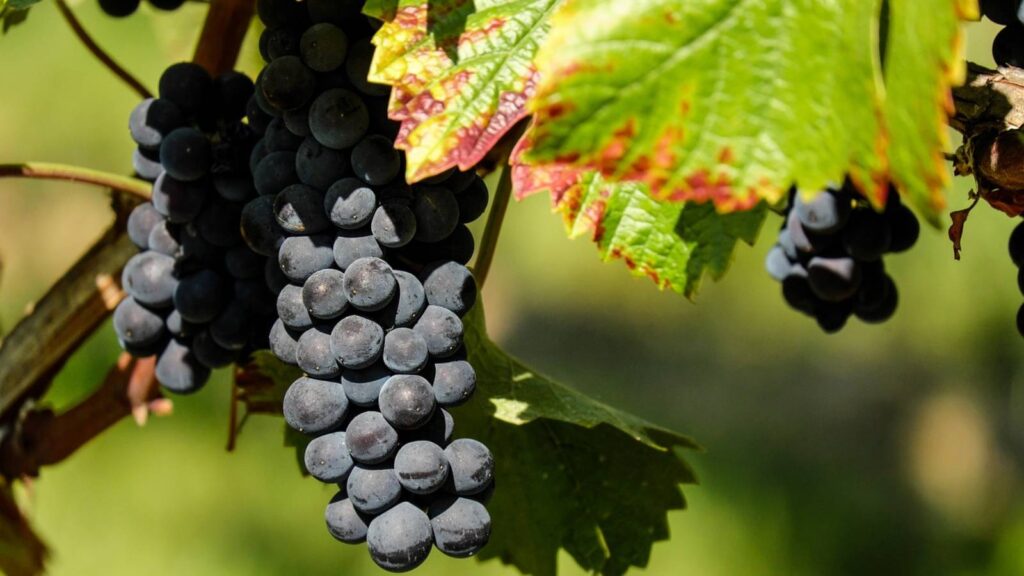
Low yield. High concentration. Strong character.
It produces bold, full-bodied red wines — and defines Hvar’s wine identity.
These vineyards are also some of the most dramatic landscapes on the island.
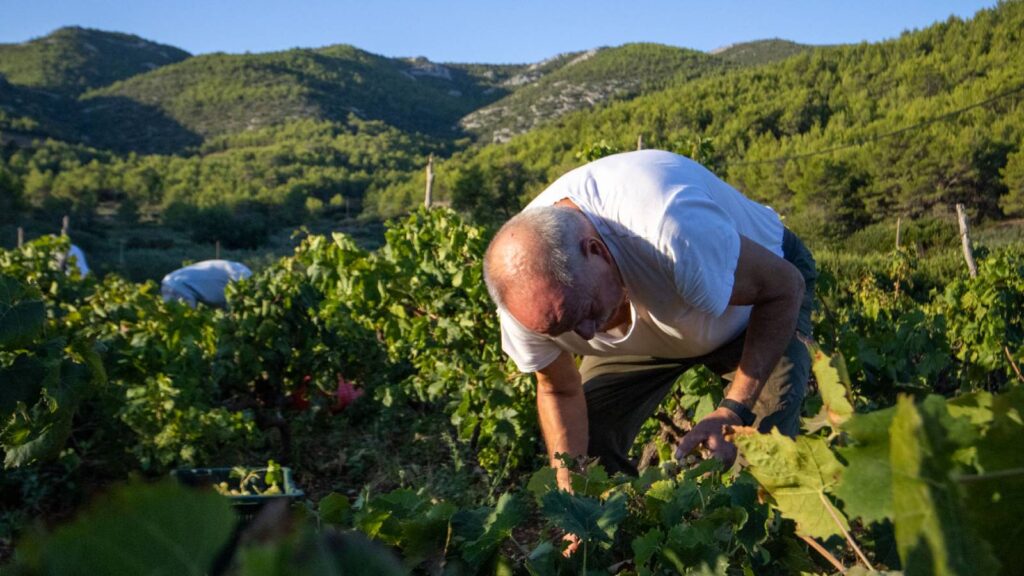
🍇 Plavac Mali — From My Vineyard to Your Glass
Plavac Mali isn’t just something I show on tours.
It’s something I grow.
I come from a family of winegrowers, and we still produce our own wine today. These vineyards aren’t just part of the landscape — they’re part of how I grew up.
That’s why when I talk about wine, it’s not a script.
It’s an experience. Joining my wine tasting tour in Hvar, you’re not just tasting wine — you’re stepping into this exact story.
🍷 Zinfandel, Crljenak & Plavac Mali — The Hidden Connection
Here’s something most people don’t expect:
Hvar wine is directly connected to one of the most famous wines in the world — Zinfandel.
For years, Zinfandel was thought to be American. But research proved otherwise.
Croatian-born winemaker Mike Grgich noticed similarities decades ago.
Then, in the early 2000s, DNA testing confirmed it:
👉 Zinfandel = Crljenak Kaštelanski (an old Dalmatian grape)
👉 Plavac Mali = its direct descendant
That means when you drink Plavac Mali, you’re tasting part of the same genetic story. Today, you can still see these vineyards across the island — especially on some of the best wine tours in Hvar.
If you want a deeper breakdown, this is one of the better articles:
👉 https://www.wineenthusiast.com/culture/wine/crjlenak-original-zinfandel/
🚗 Self-Drive vs Guided Wine Tour (This Matters)
Most people consider renting a car.
It sounds simple. It rarely is.
Self-drive:
- limited access to wineries
- no context or storytelling
- complicated rural roads
- strict alcohol laws
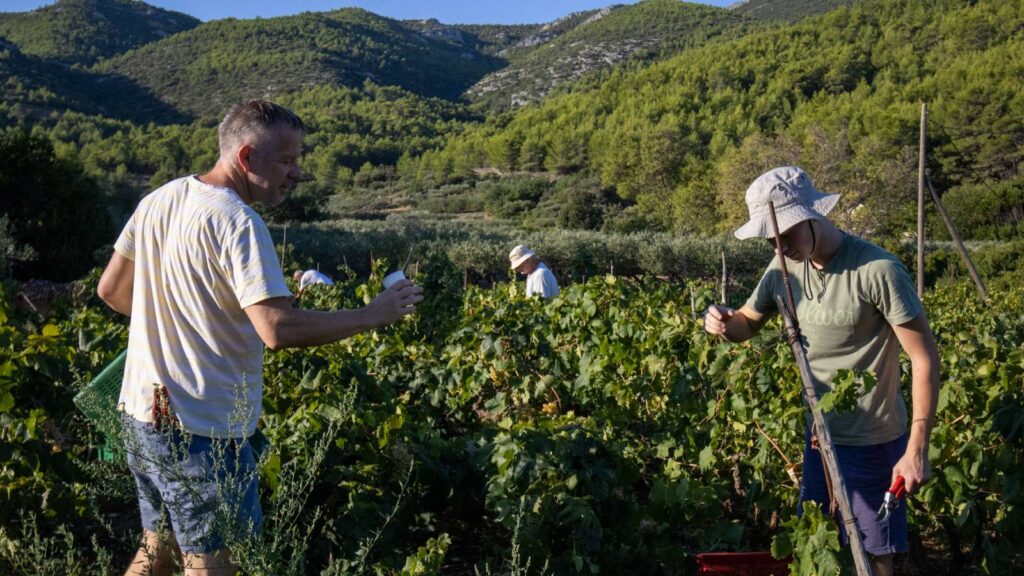
Guided wine tour:
- reservations handled
- Better winery access
- Local insight
- No driving after tasting
- hidden stops, you won’t find yourself
Wine tours here are not just logistics.
The best wine tours in Hvar are not just logistics — they’re about access to wineries, stories, and places you won’t find on your own.
🍷 Want to experience Hvar wine the right way?
Join a private wine tasting tour with a local guide — visit boutique wineries, explore hidden villages, and taste Plavac Mali where it’s actually grown.
Best Wine Tours in Hvar: What You Actually Experience
The best wine tours in Hvar are not just about visiting wineries — they’re about understanding how the island works.
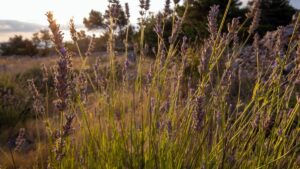
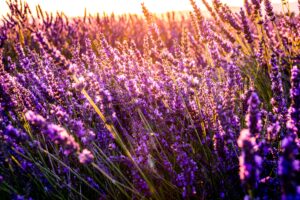
You move away from the coast and into the interior, where vineyards, olive groves, and small villages shape everyday life — and in season, even lavender fields in Hvar.
Along the way, you’ll pass:
- stone terraces built over generations
- quiet villages with almost no tourism
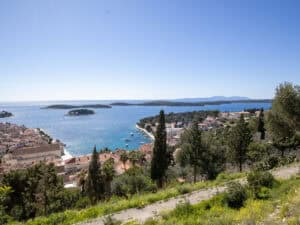
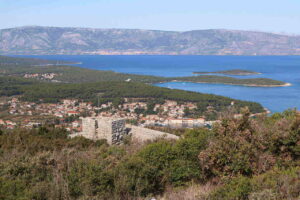
- viewpoints overlooking vineyards and the Adriatic.
Many of these routes overlap with some of the best hiking trails in Hvar, especially in the interior of the island.
Most routes naturally connect areas like Hvar Town, Stari Grad, and Jelsa, with stops in between that you wouldn’t find on your own.
That’s what makes the best wine tours in Hvar different — they’re not just tastings, they’re a way to see the island beyond the surface.
🍷 What Wines You’ll Actually Taste
Typical varieties on Hvar:
Plavac Mali — bold red, signature wine
Bogdanuša — light, traditional white
Pošip — fresh and aromatic
Prošek — rich dessert wine
You may also encounter:
- Drnjekuša
- Prč
- Maraština
- experimental wines (orange, aged, etc.)
Every winery does things slightly differently.
That’s the point.
📅 Best Time for Wine Tours in Hvar
April – June → green, quiet, ideal
September → harvest season (best experience)
October → relaxed, authentic
Summer is great — just busier.
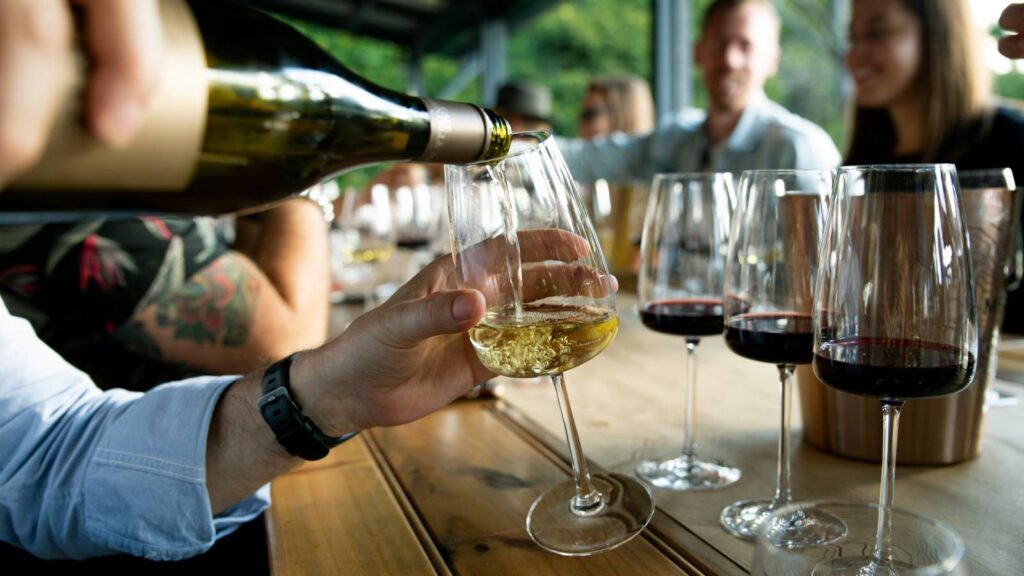
🍷 My Recommended Wine Experience
The best wine tours combine:
- 2 boutique wineries
- scenic drive through vineyards
- local food tasting
- olive oil tasting
- hidden viewpoints
- real storytelling
This creates a half-day experience that actually feels complete.
🌿 Why Wine Tours in Hvar Are Different
Hvar isn’t Napa.
There are no large estates. No polished tasting rooms everywhere.
What you get instead:
- small producers
- real stories
- raw landscapes
- personal experiences
That’s what makes it special.
👉 If You Want to Experience It Properly
If you want to experience the best wine tours in Hvar, this is where it starts,
I run small, private wine experiences focused on:
- local wineries
- real stories
- relaxed pacing
- and access you don’t get on your own
👉 If you want to experience the best wine tours in Hvar, this is where it start. Explore Wine Tours in Hvar
❓ FAQ — Wine Tours in Hvar
How long does a wine tour last?
Usually 3-4 hours.
Do I need to book in advance?
Yes — spots tend to fill in quite quickly.
Can I visit wineries on my own?
Yes, but options are limited.
Do tours start from Hvar Town?
Yes — most do.