Dalmatian Cuisine on Hvar: What to Eat & Why It Matters
This guide to Dalmatian cuisine explains what locals actually eat and why food here follows the rhythm of the landscape.
Dalmatian cuisine isn’t complicated. It’s built around what grows nearby and what the sea gives that day. Olive oil, fish, herbs, wine, and vegetables shape everyday meals more than recipes do.

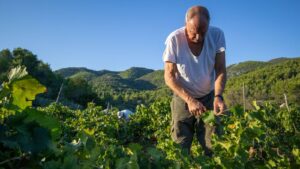
Food here is not designed in kitchens — it’s decided in the morning. Someone catches fish, someone brings tomatoes, someone opens last year’s olive oil.
If you try to improve a fresh fish with too many ingredients, a local will quietly assume you don’t trust the sea.
Cooking Style: Why Simplicity Matters
Most traditional dishes rely on only a few techniques: grilling, boiling, or slow-cooking under a metal lid called a peka.
The goal isn’t transformation. The goal is preservation.
Salt, olive oil, and fire are often enough.
That’s why many visitors are surprised — the taste is strong, but the recipe is short.
Again, it’s all about the ingredients.

Seafood — The Center of Everyday Life
Fish defines coastal Dalmatian food, not as a delicacy, but as a normal lunch.
Typical meals include:
- grilled fish
- fish soup
- cuttlefish black risotto
- shrimp risotto
- brujet (fish stew with wine and tomato)
- gregoda
- octopus salad or octopus under peka
- etc.

The rule is simple: fresher fish → fewer ingredients.
Meat Dishes and Celebrations
While fish is a part of daily life, meat belongs to gatherings.
The most famous meat dish is pašticada — slow-cooked beef marinated in vinegar and cooked in wine with dried plums, served with gnocchi.
It takes time to cook, and it’s rarely made casually. It marks Sundays, weddings, and important visits.
The meat is tender, but firm enough to keep its structure. That’s why it passes through stages of preparation from marinating to slow-cooking. And Dalmatian cuisine is characterized by slow cooking.
Olive Oil, Wine, and Small Plates
Before the main meal, locals actually enjoy small bites and conversation the most.

Typical starters:
- pršut (air-dried ham)
- sheep cheese
- olives and capers
- salted anchovies
- Marinated coastal plants (motar)
These are not appetizers in the restaurant sense. They are social food.
Meals begin slowly here.
The only problem is, they’re so delicious that you have to be really careful not to get stuffed before the main dish.
Dalmatian Cuisine Is Not Just Food
You don’t really understand it sitting in a restaurant alone.
You understand it walking down to the sea before lunch, smelling rosemary, hearing boats return, and eating what appeared that morning.
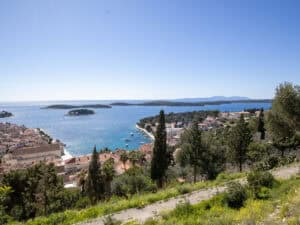
That’s why hiking, swimming, and eating feel connected on Hvar — they belong to the same rhythm.
To understand how food connects with landscape and villages, see the Hvar island guide.

Where to Experience Authentic Food on Hvar
The most authentic meals rarely come from menus.
They come from:
- family taverns in villages
- small konobas away from the port
- countryside homes
- meals combined with outdoor activities
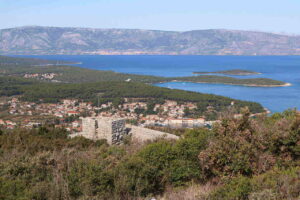
The further you move from the main square, the more traditional the table becomes.
If you want to experience food as locals do — through landscape, walking, and swimming — see the Hvar island guide.
Dalmatian cuisine is “a cuisine of fresh ingredients”, and every dish has its own story.
In the next articles, I’ll break down some of the most typical meals and ingredients — how they’re made, when they’re eaten, and what makes them different here on Hvar.