If you’re wondering why visit Hvar island, the answer goes far beyond beaches and nightlife. Hvar is located between the Croatian mainland and the open Adriatic. Close enough to reach easily, yet far enough to feel like a world of its own. Over centuries, Illyrians, Greeks, Romans, Venetians, and many others left their mark here — in architecture, wine, fishing, and everyday life.
Today, the island reveals itself slowly. Here are ten reasons why visiting Hvar feels different.
1. Landscapes & Nature
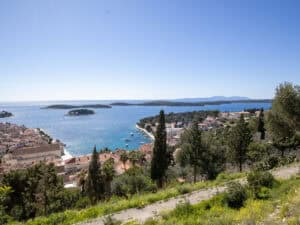
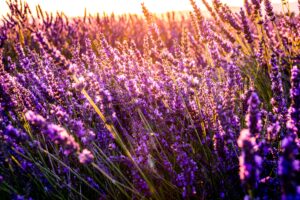
Hvar is often listed among the most beautiful islands in the world, but what makes it special is the diversity. Vineyards, dry-stone terraces, hidden bays, lavender fields, and rugged southern cliffs all exist within a short distance.
When you climb the highest peak of the island, St. Nicholas, the view opens toward the Adriatic. It’s quiet, wide, and overwhelming in a way that’s hard to describe.
To understand how these landscapes connect across the island, see the Hvar island guide.

2. Vineyards & Wine Culture
Wine growing on Hvar goes back more than 2,500 years. Terraces built from dry stone walls still shape the hillsides, especially on the southern slopes.
These vineyards are not just agriculture — they are part of the island’s identity.
Today, varieties like Plavac Mali, Bogdanjuša, and Prč define local production.
To understand how wine connects with food and landscape, see Dalmatian cuisine on Hvar.

3. Traditional Dalmatian Music
Wine, good food, and a song are big elements of everyday life. After eating well and drinking even better, someone usually starts a tune. Others follow. It happens naturally.
This is how klapa — traditional Dalmatian a cappella singing — lives on. Not just on stage, but in everyday life. You might hear it in a konoba after dinner, in a small square, or during local celebrations.
Throughout the year, concerts are organized in places like Hvar, Stari Grad, Jelsa, and small villages across the island. But the most special moments are often the private ones — small groups, quiet settings, and voices filling the space without microphones.
If you’d like to experience this more personally, I can also organize a private klapa concert on Hvar, just like the one in the video above. It’s a simple but memorable way to experience local tradition.
4. A melting pot of people
Hvar attracts travelers from all over the world. The island mixes cultures naturally — locals, sailors, artists, and visitors all sharing the same space.
It’s lively, but still relaxed. You can choose between quiet villages and vibrant evenings.

5. It’s flooded with Mediterranean Architecture
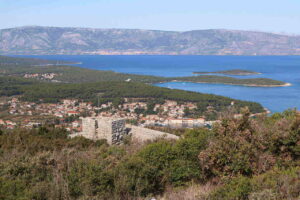
Stone houses, narrow streets, fortresses, monasteries, and harbors tell the island’s story. Layers of history sit next to each other — Greek, Roman, Venetian, Austro-Hungarian.
Even small villages preserve traditional layouts shaped by everyday life.
To explore these places, see what to do in Jelsa Hvar.

6. Outdoor activities are endless
Hvar is ideal for active travelers. Hiking, cycling, kayaking, swimming, and sailing are all part of daily life.
Paths once used to reach fields now serve as walking trails connecting villages, vineyards, and viewpoints.
To explore these routes, see hiking trails on Hvar.

7. UNESCO Heritage
Hvar holds multiple UNESCO recognitions:
- Stari Grad Plain
- Dry stone walls
- Klapa singing
- Following the Cross procession
- Mediterranean diet
- Benedictine agave lace
These traditions are still alive, not just preserved. You don’t experience them in museums, but in villages, fields, and everyday life.
Some of these places are easy to pass without noticing. Others are scattered across the island and only make sense once you connect them together.
On my full-day tour of Hvar, we actually pass through several of these UNESCO elements — from the Stari Grad Plain and dry stone walls to villages where traditions are still part of daily life. Seeing them in context makes a big difference.
It’s not about ticking them off a list, but understanding how they’re connected.

8. Local wines
The island produces a wide palette of wines — Bogdanjuša, Prč, Drnjekuša, and Plavac Mali, just to name a few.
Each village has its own character, shaped by soil, sun exposure, and tradition. Some vineyards sit on the southern slopes above the sea, others in small inland valleys surrounded by dry stone walls.
Wine tasting on Hvar is rarely about large wineries. It’s usually small family producers, simple cellars, and conversations that last longer than expected.
If you want to explore this side of the island more comfortably, I also organize wine tours on Hvar, visiting local producers and different wine regions across the island. It’s an easy way to understand how landscape, tradition, and taste all come together.
It takes time to taste them all — and that’s exactly the point.

9. Local Food & Dalmatian Cuisine
Food on Hvar follows the rhythm of the landscape. Fish, olive oil, herbs, and wine define everyday meals.
Dishes like gregada, pašticada, and black risotto reflect simplicity and quality.
To understand this better, see Dalmatian cuisine on Hvar.
You’ll also notice many ingredients growing in the wild — asparagus, herbs, capers — explained in the wild plants of Hvar. For pride in it, and you’ll understand why Croats are so obsessed with making a perfect dish and standing tall behind it.
We wouldn’t be able to carry a tune if our bellies weren’t content.

10. Hidden gems
Beyond the main towns, Hvar reveals hidden places — caves, remote vineyards, abandoned monasteries, and quiet villages.
One of these gems is a cave under the island’s highest peak, at around 550 meters above sea level. It overlooks the Adriatic toward Italy. Inside are the remains of a 15th-century Augustinian monastery. Below it, steep slopes covered with vineyards lead down toward the sea, where a small village and wine cellar sit almost at water level.
Places like this are scattered across the island. Many are easy to miss unless you know where to look.
Once you understand why visit Hvar island, it becomes clear that the island is more than just beaches — it’s landscape, culture, food, and everyday life combined.